
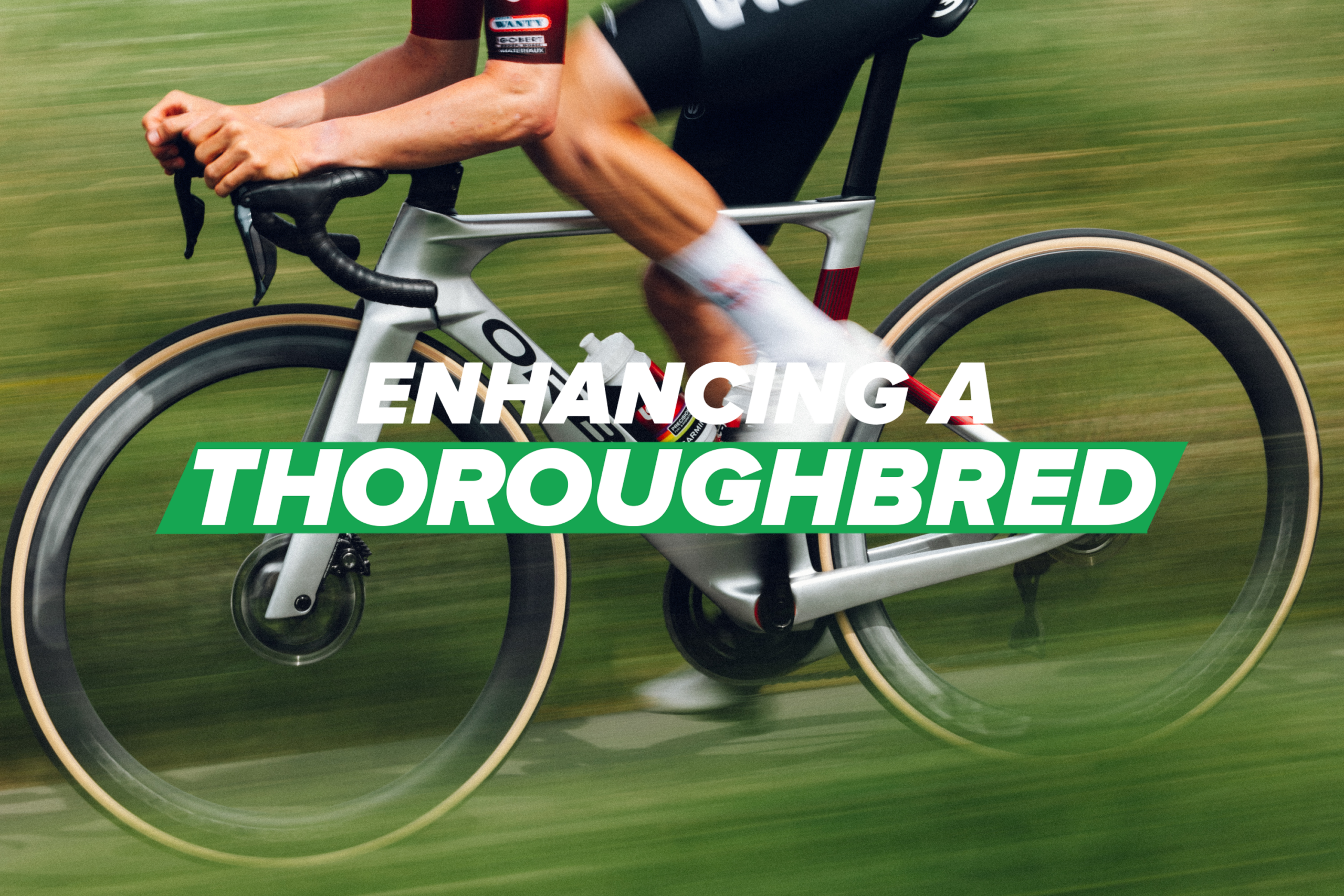
Professional cycling is faster than ever. Year after year, average speeds in the peloton continue to impress, and equipment specialisation has become non-negotiable. In this context, the new Orca Aero arrives as the fastest and most efficient bike-rider system, transferring every watt of pure power in the most effective way possible.
At the heart of the project is a key concept: Total System Approach. Designing a fast frame in isolation is no longer enough; success depends on how the bicycle interacts with the rider in motion.
Orbea had the blueprints, they just needed to build on it . The previous generation Orca Aero (2022) was already one of the leading bikes in the peloton, earning numerous victories in the WorldTour and
National Championships with the Lotto-Intermarché team, showing its prowess already. However, Orbea’s Innovation and Development team wanted to challenge the limits of physics and the top of the podium. This led to a in depth development process, from wind tunnel prototypes featuring different fairing concepts to theoretical calculations and Computational Fluid Dynamics (CFD) analysis. Development
Continued with velodrome testing and extensive road testing together with the Lotto-Intermarché team, ensuring the core DNA of this bike was from the racers that took it to the top. The goal was not simply to create a new frame, but a new system that considers both the bicycle and the rider so they could work in synergy.
Head Tube: designed to be as narrow and sharp as possible while accommodating a standard steerer tube, reducing frontal area without relying on complex solutions.
Fork: optimized to integrate seamlessly with the downtube regardless of tyre width or wind yaw angle.
Bottom Bracket Area: Building on the previous Orca Aero bottom bracket design, a keel structure was developed, significantly enhancing aerodynamic performance. This feature manages airflow through a critical transition area, reducing drag.
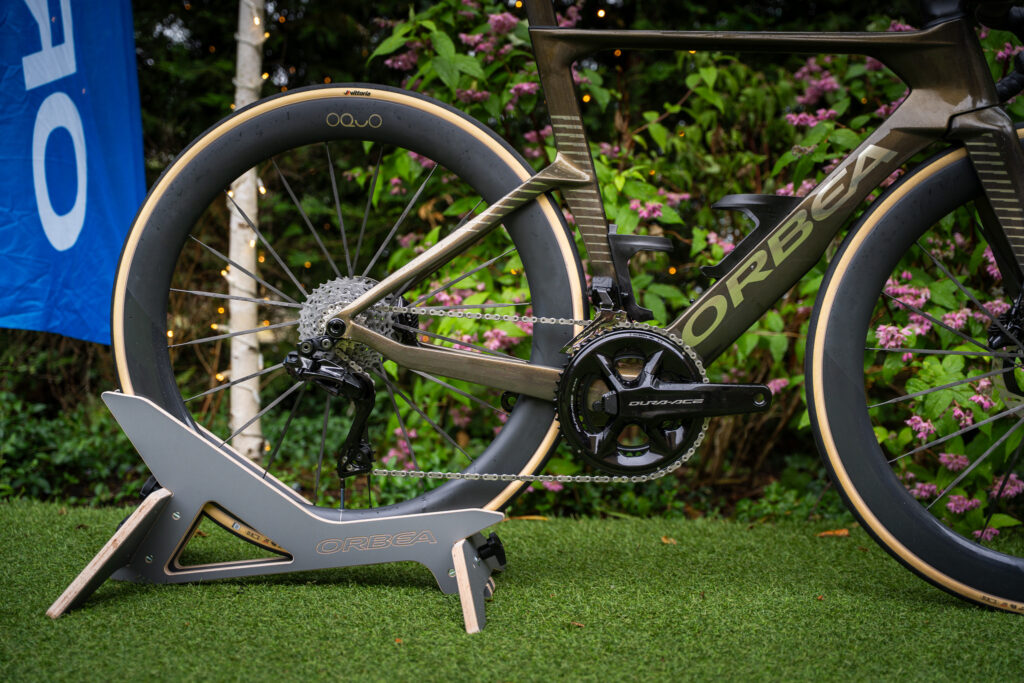
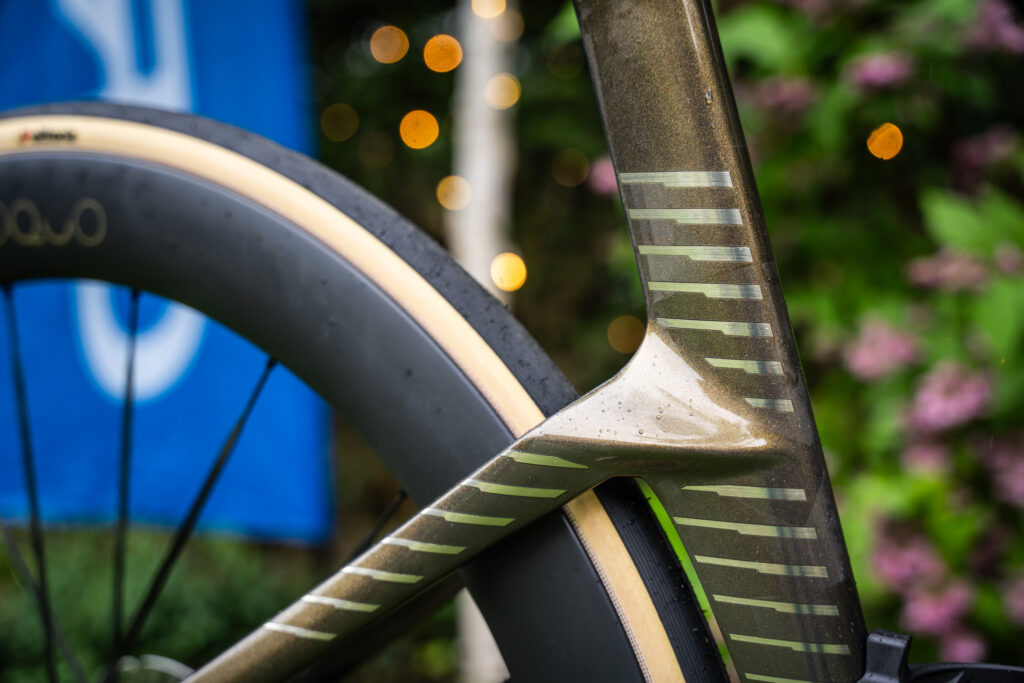
Seat Tube: now features a slimmer profile than the previous generation, reducing drag while maintaining structural efficiency.
Seatstays: Thinner seatstays with a lower attachment point optimize the
stiffness-to-weight ratio while also providing a necessary degree of vertical
compliance.
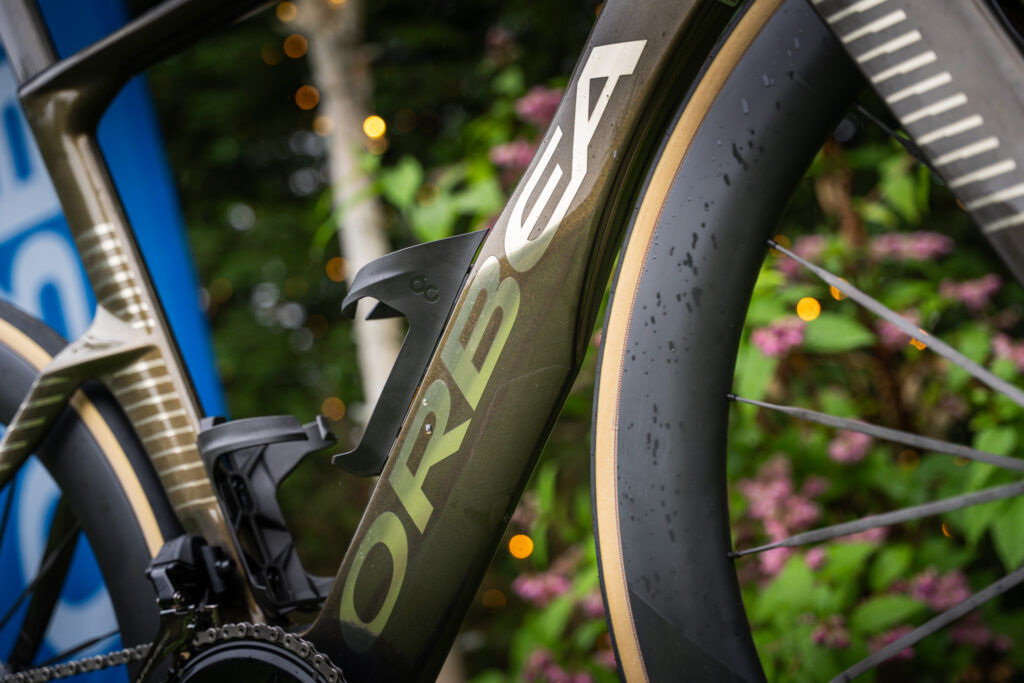
Downtube: Calculations indicate that a wider downtube manages airflow more efficiently and consequently improves aerodynamic performance. This new profile works in conjunction with new aero bottle cages that further enhance efficiency in this
area of the frame.
New Flush Bottle Cages: Based on extensive wind tunnel and velodrome testing, Orbea engineers concluded that a specifically designed bottle cage and bottle positioned as low as possible improve the aerodynamics of the entyre system. The new bottle cages merge with the updated downtube profile to deliver greater efficiency.
OC RA10 Handlebar: The OC integrated carbon handlebar is exceptionally
lightweight, features fully internal cable routing, and delivers outstanding stiffness.
OC RA11 Aero Seatpost: The new aerodynamic seatpost minimizes the gap between rider and frame, reducing drag.
The wind tunnel verdict is clear: according to Orbea, drag reduction results in a saving of 5.1 watts at 50 km/h. This aerodynamic improvement remains consistent at all speeds and, crucially, across all wind yaw angles.
A bike that is fast in the wind tunnel alone is not enough. The rider must also be considered. This is where the Total System Approach comes into play, reducing the combined CdA (Coefficient of Aerodynamic Drag). Orbea has adopted a 78 mm bottom bracket drop, the lowest on the market. Positioning the
rider lower improves stability by reducing body movement and increasing control at high speeds. At the same time, the lower position directly reduces the frontal area exposed to the wind. The extensive cockpit fit options include 13 different handlebar sizes and up to 40 mm of spacers beneath the stem, allowing riders to find their ideal position. In addition, two seatpost offset options (0–15 mm and 15–25 mm) and a reversible seatpost clamp provide further fit customisation.
The new OQUO RA57 LTD wheels also enhance responsiveness and power transfer. What does this mean on the road? A more stable and aerodynamic rider generates less drag. Orbea quantifies this benefit at approximately 14 watts saved while riding at 50 km/h on flat terrain.
We’ve got Dom from Orbea to tell you all about the new Orca Aero, from its enhanced aerodynamics and engineering to how this affects the peleton.
The new Orca Aero has been designed for the demands of modern racing and the developments yet to come.
Generous Tyre Clearance: The frame accommodates tyres up to 37 mm, making it one of the most capable bikes in the WorldTour while maintaining full aerodynamic performance with tyre widths from 29 mm to 35 mm. This additional clearance can save 6-7 watts at 40 km/h on cobbles or rough asphalt by reducing vibration losses.- Climbing Bike Stiffness: The frame delivers 93 Nm/° stiffness at a highly competitive frame weight of around 900g. This allows it to save approximately 2 watts at 17 km/h on an 8% climb compared with the previous generation. Designed exclusively for electronic drivetrains, with Di2 integration through the bottom bracket area, the frame also features the universal UDH derailleur hanger and a 90° Spinblock steering limiter.
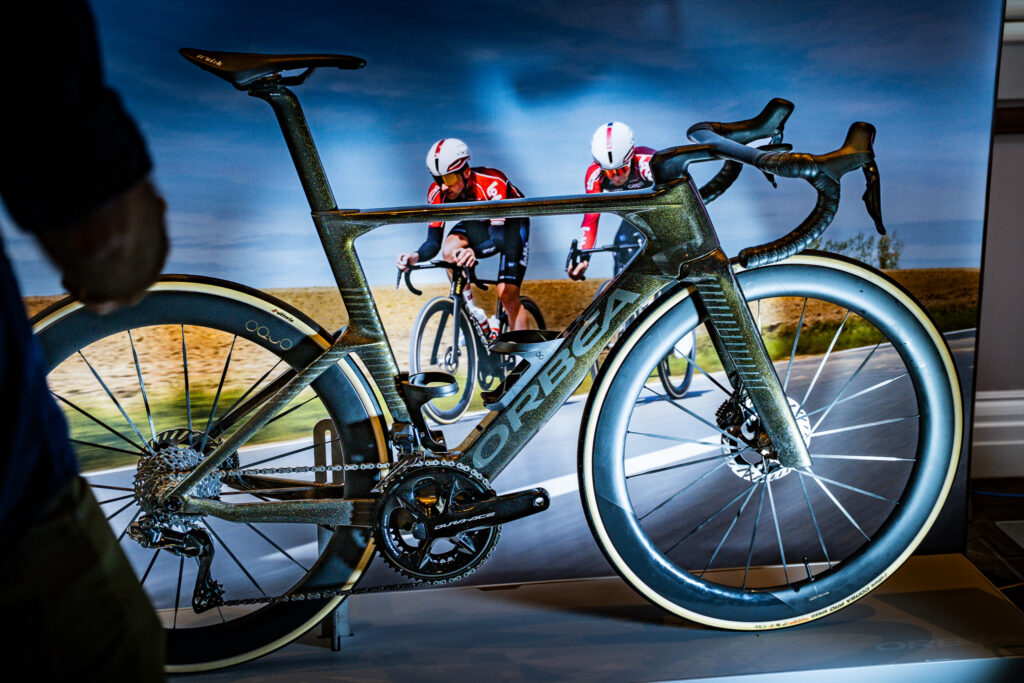
Ultimately, Orbea has not simply created a faster bicycle. They have created a complete bike-rider system, engineered for the Grand Tours and sprint finishes of the future.
If you want the ultimate road race bike for 2027, dont hesitate to contact us. We can pre-order any Orbea Orca Areo for a limited time. Dont miss out on the fastest bike on the market


The Showrooms, Gay Lane
Otley, LS21 1BR
© Chevin Cycles LTD 2026. All Rights Reserved // VAT Registration No. 185 8883 40 // Registered in England. 03395509